Top 10 Tips for Machine Wash Carpets Effectively?
Cleaning carpets can be daunting. Many homeowners overlook the importance of properly washing carpets. However, machine wash carpets can significantly enhance cleanliness and longevity. According to a report by the Institute of Inspection, Cleaning and Restoration Certification (IICRC), carpets can hold up to 4,000 times their weight in dirt. This statistic is alarming yet highlights a critical need for effective cleaning methods.
Machine washing carpets not only removes visible dirt but also eliminates allergens and bacteria. The American Lung Association states that dirty carpets can affect indoor air quality. Despite knowing this, some still neglect regular maintenance. This oversight could lead to health issues and costly replacements. To combat this, understanding how to machine wash carpets effectively is crucial for homeowners.
While machine washing carpets can seem straightforward, pitfalls exist. People might rush the process or use incorrect settings, leading to ineffective results. With proper techniques, one can manage to maintain carpets in peak condition. Consider these top ten tips for machine washing carpets effectively and discover how to transform your cleaning routine.
Essential Preparations for Machine Washing Carpets
Preparing to machine wash carpets requires careful planning and execution. Start by clearing the area entirely. Move furniture and small items off the carpet. Dust and dirt can settle under items, making it hard for the machine to clean effectively. Consider marking where heavy furniture sits. This helps you know where to place everything after washing.
Next, inspect the carpet for stains or damage. Treat visible stains with an appropriate cleaner before washing. If you delay this step, stains may set in, becoming harder to remove later. Test any cleaner in a small, hidden area first. You want to ensure it doesn’t discolor the carpet. Sometimes, scrubbing a stain harder can make it worse rather than better.
Vacuum the carpet thoroughly. This action removes loose dirt and debris. If you skip this, dirt can turn into mud during washing. Pay attention to corners and edges; they often collect the most grime. Finally, check the machine settings. Different carpets need different wash cycles. Not all settings are equal. Reading the instructions can help you avoid common mistakes.
Selecting the Right Carpet for Machine Washing
Selecting the right carpet for machine washing is crucial for maintaining both appearance and hygiene. According to industry studies, carpets made from synthetic fibers, such as nylon or polyester, often respond better to machine washing than natural fibers. These materials not only resist staining but also dry quickly, reducing the potential for mold growth.
When choosing a carpet, look for those labeled as "machine washable." Carpets with a lower pile tend to hold up better during washing. You might want to opt for carpets that come with a removable cover to simplify the cleaning process. Pay attention to care instructions as well; some carpets may require specific washing settings.
Before washing, ensure to vacuum thoroughly to remove dirt and debris. Test a small area with diluted detergent first. This helps to avoid any unexpected discoloration. Regular maintenance can enhance the longevity of your carpets, but over-washing can lead to wear. This balance is essential. Many homeowners overlook this, often resulting in damaged fibers over time.
Top 10 Tips for Machine Wash Carpets Effectively
Step-by-Step Instructions for Machine Washing Carpets
When washing carpets with a machine, it's essential to follow specific steps to ensure effective cleaning. Start by vacuuming the carpet thoroughly. This removes loose dirt and debris. According to industry data, about 80% of dirt in carpets can be eliminated through proper vacuuming alone. Next, check the carpet label for any cleaning instructions. This is crucial to avoid damage or discoloration.
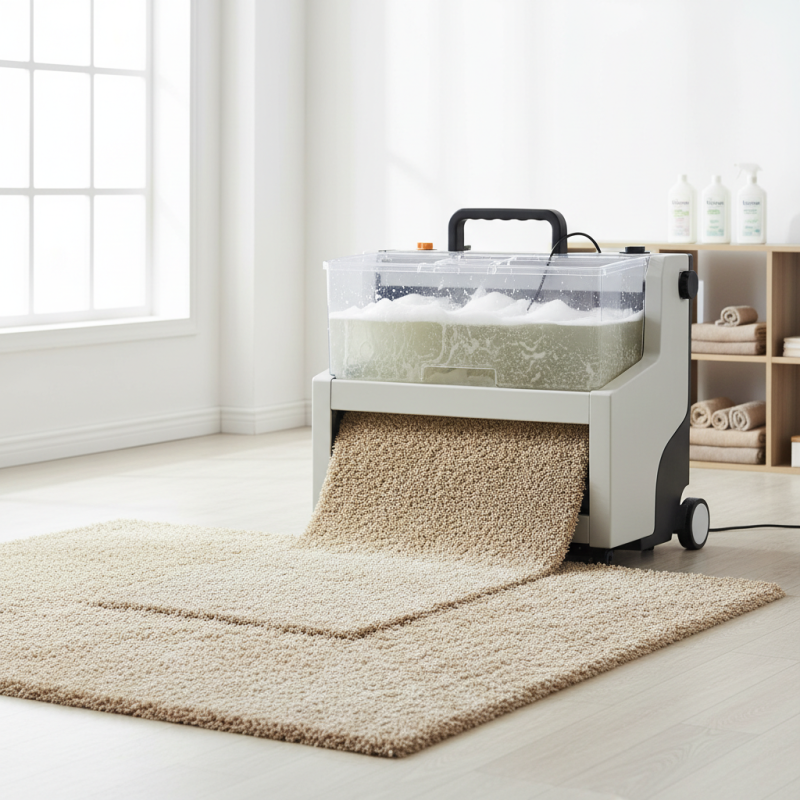
Prepare your machine by filling it with the appropriate cleaning solution and water. Many machines need equal parts of each. Test the solution on a small, inconspicuous area first. Some carpets may react poorly. Slowly move the cleaning machine in overlapping rows. Too fast can lead to uneven results. Allow the carpet to dry completely before walking on it. This may take a few hours, depending on humidity levels.
Remember, even with the right process, mistakes can happen. Some stains may not lift completely, leaving behind residue. Reflecting on the cleaning process can improve future results. Proper maintenance and periodic deep cleaning can enhance the lifespan of your carpet. Some professionals suggest cleaning every 12 to 18 months. Carpet cleaning is an ongoing journey, not a one-time fix.
Top 10 Tips for Machine Wash Carpets Effectively
| Tip No. |
Tip Description |
Importance |
Estimated Time |
| 1 |
Vacuum the carpet thoroughly before washing. |
High |
10 minutes |
| 2 |
Check the carpet care label for cleaning instructions. |
High |
5 minutes |
| 3 |
Use a suitable carpet cleaning solution. |
Medium |
5 minutes |
| 4 |
Test the cleaning solution on a small area first. |
High |
10 minutes |
| 5 |
Fill the machine with water according to instructions. |
High |
5 minutes |
| 6 |
Use the machine in accordance with the manufacturer's guidelines. |
High |
15 minutes |
| 7 |
Work in sections for a thorough clean. |
Medium |
20 minutes |
| 8 |
Do not over-wet the carpet. |
High |
5 minutes |
| 9 |
Allow the carpet to dry completely afterwards. |
High |
2-4 hours |
| 10 |
Vacuum again after it’s dry to restore fluff. |
Medium |
10 minutes |
Best Practices for Drying Carpets After Washing
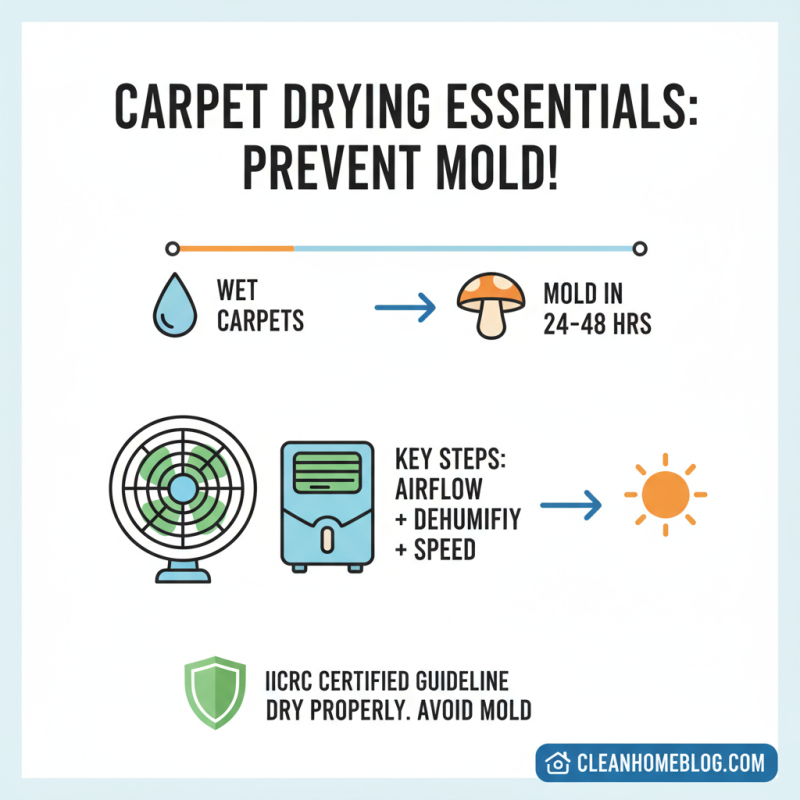
After washing carpets, the drying process is crucial. Carpets can retain moisture, leading to mold growth. According to the Institute of Inspection, Cleaning and Restoration Certification, wet carpets can lead to mold infestation within just 24 to 48 hours if not dried properly. Therefore, knowing the best practices for drying carpets is essential.
Tip: Ensure good airflow. Open windows and doors to create cross-ventilation. Use fans to circulate air. This can significantly reduce drying time. A dehumidifier can absorb excess moisture, speeding up the process.
Another key aspect is to avoid direct sunlight. While it may seem effective, UV rays can degrade carpet fibers. Instead, use shaded areas for drying to preserve the carpet's quality. Remember to check the carpet frequently. This way, if excess moisture is present, you can take action quickly.
Tip: Vacuum the carpet after drying. This helps to fluff the fibers back into shape. It also removes any dirt that may have surfaced during the washing and drying process. Always be aware, over-washing can lead to carpets becoming matted and worn down.
Common Mistakes to Avoid When Washing Carpets in a Machine
Washing carpets in a machine can save time and effort, but common mistakes can lead to poor results. One major error is overloading the machine. According to industry reports, overloading can prevent carpets from getting clean and even damage the fibers. An overloaded washer might leave soap residues, causing irritation or foul odors.
Another frequent mistake is using the wrong type of detergent. Many people assume that more detergent equals better cleaning. However, this can lead to excessive suds, resulting in insufficient rinsing. Studies show that using too much detergent can lead to a buildup of residues, which can attract dirt, making carpets dirty faster. Opt for a cleaner specifically designed for carpet washing; this ensures deeper cleaning without damaging the fabric.
Ignoring the manufacturer's recommendations is another pitfall. Every carpet has unique care instructions. Failure to follow these guidelines can void warranties. Using incorrect water temperatures can also warp or shrink the fibers—sometimes, carpets can’t be replaced. A recent survey noted that 28% of homeowners reported damage due to improper cleaning methods. Reflecting on these mistakes can lead to better care and extended lifespan for your carpets.