Best Hallway Carpet Tips for Choosing the Right Style?
Choosing the right Hallway Carpet is essential for both aesthetics and functionality. Your hallway serves as a pathway in your home. It welcomes guests and connects rooms. A well-chosen carpet can enhance this space, but the options can be overwhelming.
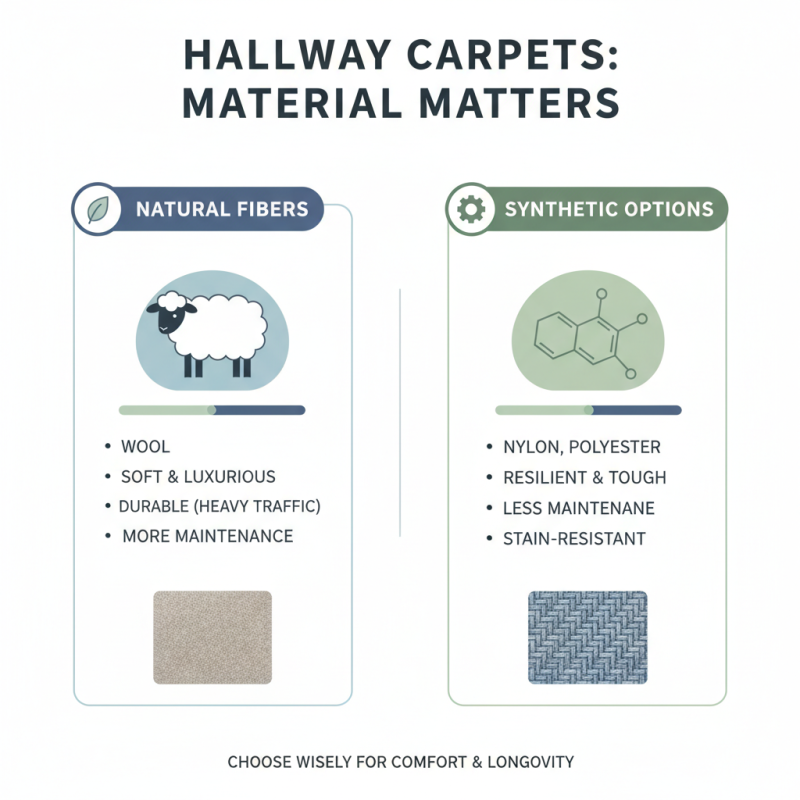
Consider the style, color, and material of your Hallway Carpet. These elements can greatly impact the overall feel of your home. For instance, a bold pattern may add character but might clash with the surrounding decor. On the other hand, a simple design usually complements various styles. Feel free to experiment, as the right choice can transform your hallway.
Do not underestimate the importance of durability. Hallways experience heavy foot traffic. A carpet that wears quickly can become an eyesore. Take time to reflect on your options. Visualize how each sample might look in your space. Sometimes, we think we’ve found the perfect fit, but it may not hold up over time. Remember, the right Hallway Carpet is a blend of style and practicality.
Understanding Your Hallway's Functionality and Traffic Flow
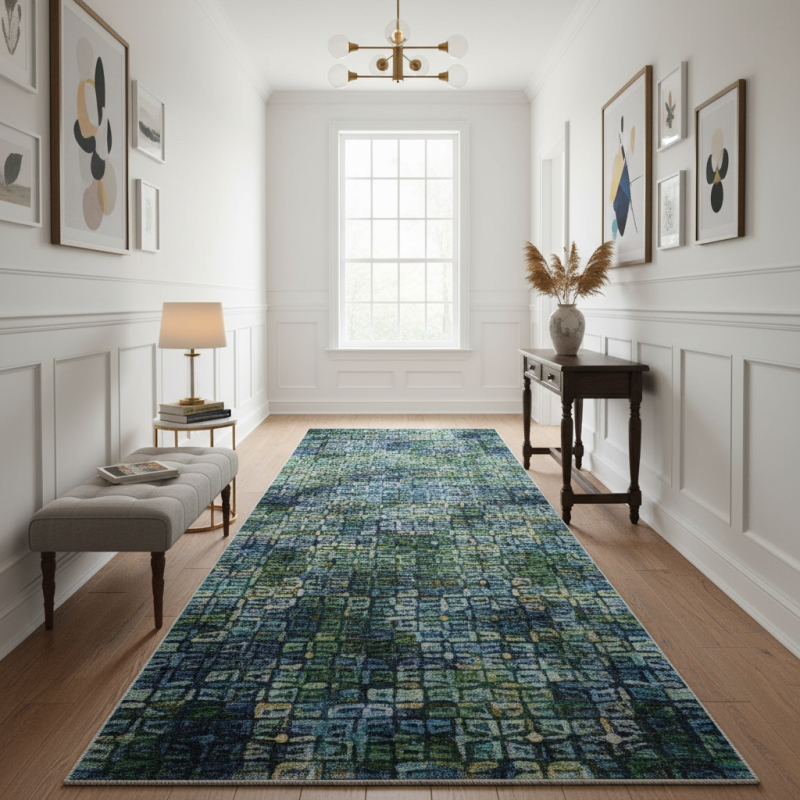
When choosing a carpet for your hallway, it's crucial to understand its functionality and traffic flow. Hallways often see high foot traffic, so selecting the right style can make a significant difference. According to a report by the National Association of Home Builders, 70% of homeowners prioritize durability when selecting flooring materials for high-traffic spaces. This indicates that carpets designed to withstand wear can enhance not only aesthetics but also longevity.
Tip: Opt for low-pile carpets. They tend to resist dirt accumulation and are easier to clean. Additionally, consider color and pattern. Dark hues may hide dirt better, while patterns can help disguise wear over time.
Traffic flow is another important factor. If your hallway connects multiple rooms, consider a carpet that complements the adjacent spaces. A cohesive look helps maintain a smooth transition. Reports show that 40% of buyers appreciate seamless design in their homes, as it creates a more inviting atmosphere.
Tip: Ensure that the carpet is secured to prevent tripping hazards. This is essential, especially in homes with children or elderly residents. Remember, a beautiful carpet can quickly become a nuisance if not suited to the environment. Choose wisely to ensure safety and style.
Choosing the Right Color and Pattern to Enhance Hallway Aesthetics
Choosing the right color and pattern for hallway carpets can transform the space significantly. According to industry studies, about
70% of homeowners believe that color impacts the overall ambiance of their hallways. Lighter shades often create a
sense of openness. On the other hand, darker hues can make the area feel cozier but might also seem smaller. The balance is crucial.
Patterns play an equally important role. Subtle designs can enhance the aesthetic without overwhelming the space. A study suggests
that 60% of people prefer geometric patterns as they evoke a modern vibe. However, it is essential to be cautious.
Bold patterns can sometimes clash with existing decor, creating a hectic feeling instead of harmony.
When selecting carpet colors and patterns, consider lighting as well. Hallways often receive less natural light,
so colors can appear different than expected. Choosing swatches and testing them in situ can make a difference. Don't overlook
texture either; it influences visual perception. Using a plush carpet may feel luxurious, yet it can also show dirt
more easily. Always weigh the aesthetics against maintenance needs. It's a balancing act that requires thoughtful reflection.
Assessing Carpet Length and Width for Optimal Fit in Hallways
When choosing carpet for hallways, length and width are crucial. According to a report from the Carpet and Rug Institute, carpets can affect a hallway's acoustics and aesthetics. Hallways often have narrow dimensions, typically ranging from 3 to 4 feet wide.
Measuring the length is equally vital. A common mistake is selecting a carpet that is too short. A well-fitted carpet should extend about 12 inches past doorways. This measure helps create a seamless look and prevents fraying. Reports suggest that using oversized carpet in hallways can cause safety hazards if it doesn’t fit well.
Consider the texture and pattern as well. A busy pattern can hide stains, while a solid color tends to show wear more quickly. In tight spaces, plush carpets may feel cozy, but they can also trap dirt and allergens. This trade-off requires careful thought. Reflecting on the balance between style and practical use will ensure a hallway that looks great and functions well.
Best Hallway Carpet Tips for Choosing the Right Style
| Carpet Style |
Length (ft) |
Width (ft) |
Materials |
Ideal Use |
| Frieze |
15 |
2 |
Polyester |
High traffic areas |
| Berber |
12 |
3 |
Nylon |
Durable for pets |
| Plush |
14 |
3 |
Wool Blend |
Comfort and luxury |
| Loop Pile |
16 |
2 |
Olefin |
Resistant to stains |
| Performer |
10 |
4 |
Polypropylene |
Light traffic areas |
Budgeting and Maintenance Considerations for Hallway Carpets
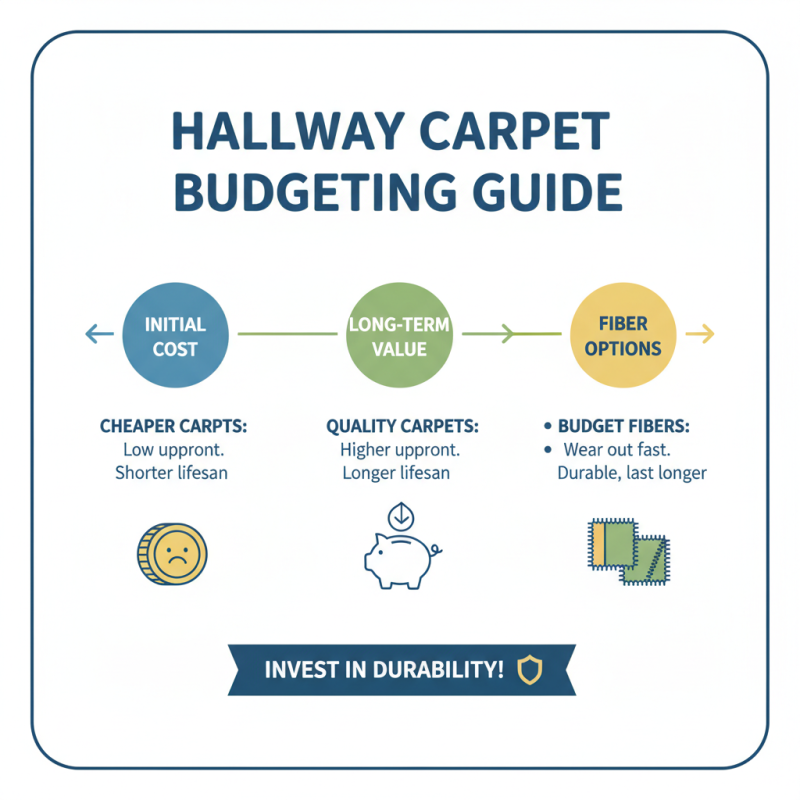
When choosing the right hallway carpet, budgeting is crucial. Start by determining your overall budget. Consider the carpet's lifespan and quality. Cheaper carpets might save money upfront but can wear out quickly. Luxury fiber options, while pricier, often outlast their budget counterparts.
Maintenance is another key concern. Carpets in high-traffic areas need regular cleaning. Vacuuming once a week keeps dirt at bay. For spills, act fast. Blot up liquids immediately to prevent stains. You might find some styles harder to maintain due to their textures. To ease your mind, consider choosing patterns that can camouflage dirt.
Tips for selecting the right style include thinking about color and texture. Darker shades are practical but can make the space feel smaller. Lighter tones can open up a hallway but show dirt more easily. Balance is essential. Evaluate how often the area is used. Some carpets are just not made for heavy foot traffic, which might lead to regrets later. Be honest about how you live.